

Efficiency is key when working in warehouse and distribution environments, which might make you wonder how to improve function and flow. One of the best ways to do this is through well-designed pallet rack systems. These systems do far more than store inventory; they actively shape how people, products, and processes move through a space.
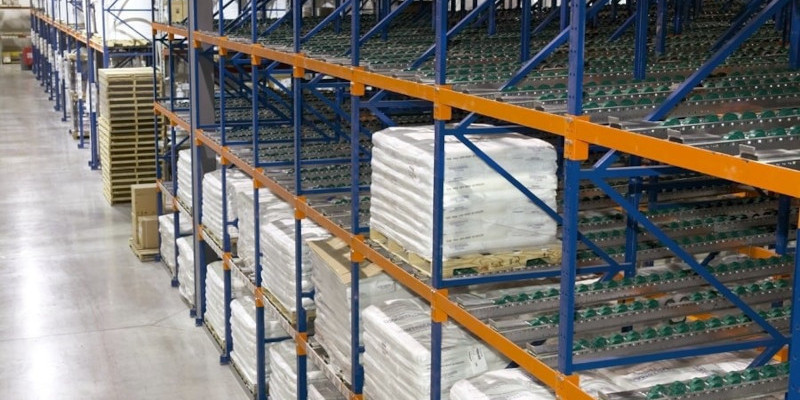
Here are a few ways that pallet rack systems can improve function and flow:
- Pallet rack systems are fundamentally structural in nature. They maximize usable space by organizing goods vertically, without increasing the footprint of a facility. This vertical optimization frees up important floor space, allowing for larger aisles, safer forklift operation, and clearer pathways for workers. The result is improved traffic flow and fewer bottlenecks during peak hours.
- Accessibility enhances functionality. Pallet racks can be configured to support different inventory strategies, such as FIFO (first in, first out) or LIFO (last in, first out), making it easier to retrieve the right products at the right time. Selective, drive-in, push-back, and pallet flow racks each serve a distinct operational purpose, ensuring that storage facilitates rather than impedes workflow.
- Scalability is another important advantage. Pallet rack systems can be modified, enlarged, or reconfigured when inventory levels or product categories change without requiring a total redesign. This flexibility ensures that companies can adapt quickly while remaining efficient and consistent.
- Pallet rack systems improve safety and accuracy. Clear rack labeling, standardized storage locations, and reduced clutter help workers move confidently through the warehouse, minimizing errors and accidents. Not only that, but when everything has a designated location, training becomes easier, and daily operations become more predictable.